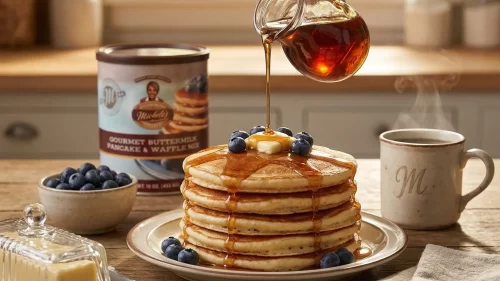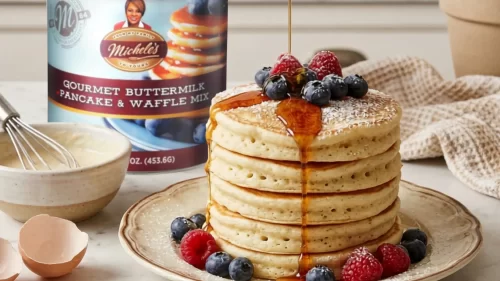

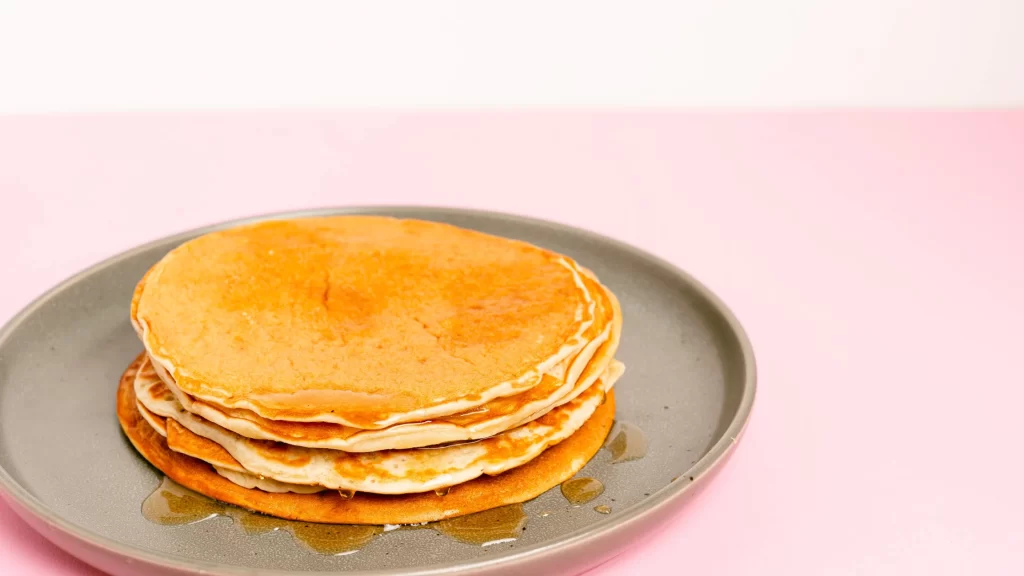
Flat pancakes have a way of disappointing even the most seasoned kitchen enthusiasts. You follow a trusted recipe, use quality ingredients, and still end up with a stack that looks thin, dense, and lifeless. For those who care about the craft of specialty foods, pancakes are not something to take lightly. Texture, structure, and consistency all matter, especially when they serve as the base for premium toppings. When pancakes fall flat, the issue usually comes down to technique and ingredient handling rather than the recipe itself. Getting it right requires a closer look at how each step contributes to lift and structure.
One of the most common reasons pancakes fail to rise is ineffective leavening. Baking powder and baking soda create the gas that forms air pockets within the batter. If these ingredients are expired or poorly stored, they lose their ability to react. Even a well-prepared batter will not rise without active leavening. Measurement is equally important. Too little results in dense pancakes, while too much can cause the batter to rise quickly and then collapse during cooking. A balanced ratio supports a steady lift that holds its structure.
Mixing technique also plays a major role. Many assume that a smooth batter leads to better pancakes, but this approach often produces the opposite result. Overmixing develops gluten, which gives the batter elasticity. This strength prevents the batter from holding air effectively and leads to a thinner texture. A properly mixed batter should contain small lumps. These indicate that the flour has not been overworked and that the finished pancakes will remain tender.
Batter consistency determines how the mixture behaves once it hits the cooking surface. A thin batter spreads too quickly and leaves little opportunity for the structure to build. A thick batter may not cook evenly and can produce a dense center. The goal is a mixture that pours easily but still holds its shape. This allows the leavening agents to expand the batter before it sets. Adjusting the liquid content slightly can improve consistency, especially when using ingredients like buttermilk that influence both texture and flavor.
Temperature control is a frequent source of error. A griddle that is not fully heated allows the batter to spread before cooking begins, which leads to flat pancakes. Excessively high heat can cook the outer surface too quickly and limit the rise inside. A moderate and steady temperature allows the batter to cook evenly while expanding. Ingredient temperature also matters. Cold ingredients can slow the chemical reactions needed for proper lift, so allowing them to warm slightly before mixing can improve results.
Resting the batter is a simple step that often improves texture. Allowing the mixture to sit for a few minutes gives the flour time to absorb moisture and the leavening agents time to activate. The batter thickens slightly during this period, which supports better structure during cooking. This step also reduces the need for additional mixing and helps maintain tenderness.
Timing during cooking affects the final height of the pancakes. Flipping too soon can cause the structure to collapse before it sets. Waiting until bubbles appear on the surface and the edges begin to firm provides a clear signal that the pancake is ready. A careful flip preserves the air pockets formed during cooking and helps maintain the pancake’s thickness. Rushing this step often leads to a flatter result.
Ingredient choices can influence both texture and performance. Substitutions may change how the batter absorbs liquid or develops structure. Different flours behave in different ways, and reducing fat or sugar can affect moisture and browning. Each ingredient serves a purpose. Fat contributes to tenderness, while sugar supports color and flavor. A clear understanding of these roles allows for thoughtful adjustments without compromising the final product.
Environmental conditions can also affect pancake results. Humidity can alter how flour absorbs liquid, while higher elevations can cause leavening agents to react more quickly. These factors may require small adjustments in ingredient ratios or cooking time. Paying attention to these variables helps maintain consistency across different conditions.
Cookware is another important consideration. A well-made pan or griddle with even heat distribution ensures consistent cooking. Uneven heat can lead to irregular texture and inconsistent rise. Using reliable equipment supports a more controlled cooking process and improves overall results.
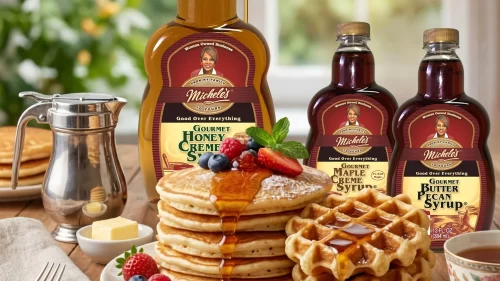
When the technique is sound, pancakes become an ideal base for layered flavors. A properly cooked pancake has a light interior and a surface that holds toppings without becoming soggy. This is where high-quality syrups can elevate the experience. Michele Foods offers rich, creamy syrups that complement the texture of pancakes while enhancing their flavor. Options such as Honey Crème, Butter Pecan, and Maple Crème provide depth and balance, adding a refined finish to each serving.
Flat pancakes rarely come from a single mistake. They are usually the result of several small issues that affect the batter and cooking process. Attention to leavening, mixing, consistency, and heat leads to better structure and a more reliable outcome.If you want to improve every stack you serve, pair your pancakes with syrups that reflect the same level of care and craftsmanship. Shop Michele Foods to bring rich flavor and tradition to your table with every pour.