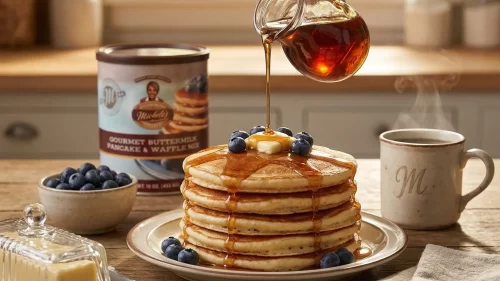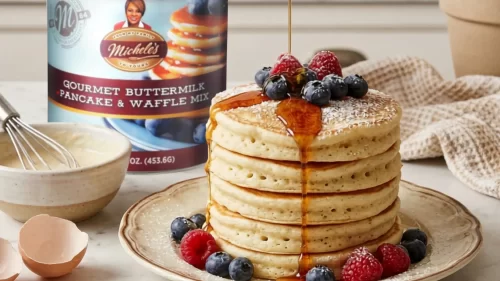

Choosing the right syrup for pancakes and waffles starts with understanding how each element on the plate behaves. Pancakes are soft and absorbent, designed to soak in liquid quickly, while waffles are structured with crisp edges and defined pockets that hold syrup in place. This difference shapes the decision from the start. A syrup that absorbs too quickly into pancakes can leave them overly saturated, while a syrup that is too thin will run off waffles without delivering balanced flavor in each bite.
The first point of consideration is viscosity. Syrup consistency directly affects how it interacts with texture. Thinner syrups tend to penetrate pancakes immediately, which can be effective in small amounts but difficult to manage in larger servings. Thicker syrups provide better surface coverage and allow for a more gradual release of flavor. With waffles, this becomes even more important. The grid pattern is designed to hold syrup, so a slightly thicker consistency helps each pocket retain flavor without excessive pooling. Crème-based syrups are often preferred because they offer a balanced texture. They pour smoothly while remaining substantial enough to stay in place.
Flavor selection should be approached with clear intent. Pancakes and waffles have a mild base, which allows the syrup to define much of the taste experience. Maple syrup provides a familiar profile with caramelized notes, while flavored syrups expand the range of possibilities. Honey-based syrups introduce a lighter sweetness with subtle floral characteristics that pair well with fruit or simple toppings. Butter-forward syrups add richness and depth, making them suitable for more filling breakfast plates. Nut-inspired options such as butter pecan contribute a roasted character that works well with the crisp texture of waffles. The goal is to consider the entire plate so that the syrup supports every element rather than competing with it.
Sweetness level also shapes the experience. Syrups that rely heavily on sugar can overpower the dish and mask the flavor of the base. A well-developed syrup balances sweetness with complementary notes such as vanilla, butter, or nut extracts. This balance becomes clear over multiple bites, where a more refined profile maintains interest without becoming overwhelming. For manufacturers and informed buyers, this signals careful formulation rather than a focus on sweetness alone.
Aroma plays an important role in perception. When syrup is poured over warm pancakes or waffles, the heat releases its scent immediately. A well-crafted syrup delivers a clean and consistent aroma that aligns with its flavor. Maple should present a warm and slightly toasted character, while butter or nut-based syrups should carry a clear and inviting scent. This sensory detail influences the overall impression of quality in both home and commercial settings.
Temperature stability is another practical factor. Syrup is typically poured over hot food, and its behavior under heat affects both texture and flavor. A high-quality syrup maintains its structure when warmed and does not become excessively thin or separate. This is especially important for crème-based formulations, where dairy components must be carefully managed during production. Stability ensures consistent performance from the first serving to the last.
Versatility also plays a role in choosing the right syrup. Many consumers look for products that can be used beyond breakfast. A syrup that pairs well with pancakes and waffles should also work with desserts, baked goods, or even savory dishes. Butter pecan can serve as a topping for ice cream, while maple crème can be incorporated into glazes or sauces. This flexibility reflects thoughtful product development and adds value for both consumers and retailers.
Ingredient composition remains a key consideration for buyers who prioritize quality. Syrups made with carefully selected ingredients tend to deliver a cleaner and more consistent taste. Clear labeling and transparency in formulation help build trust and allow consumers to make informed choices. For specialty food enthusiasts, this connection between ingredients and performance is part of what defines a premium product.
Packaging contributes to the overall user experience. A well-designed bottle allows for controlled pouring and minimizes waste. This becomes especially important with thicker syrups that require a steady hand during use. For retailers and distributors, consistent packaging also supports shelf presentation and reinforces product reliability.
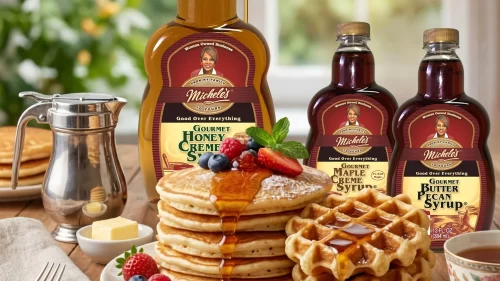
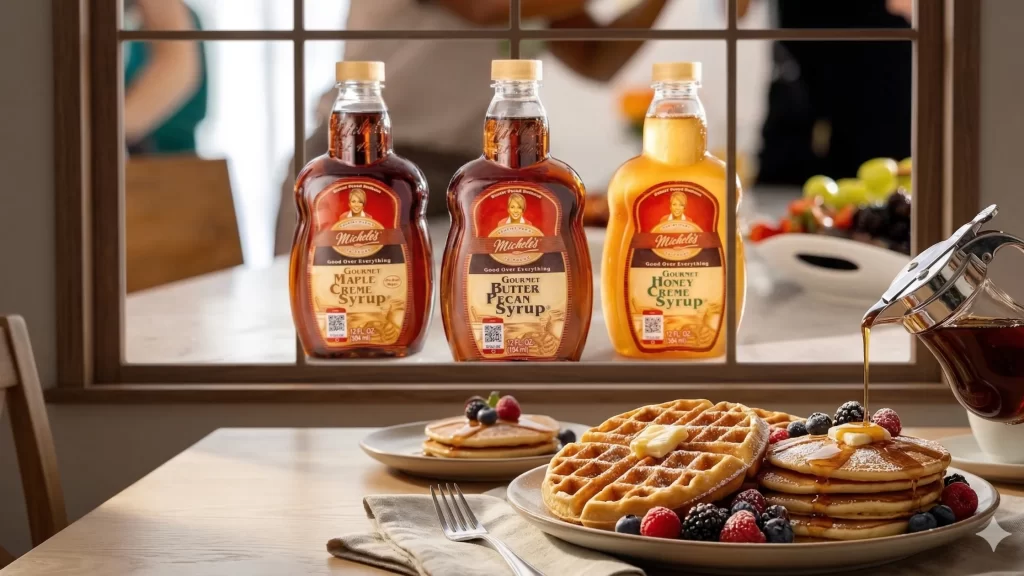
In the broader market, heritage and process continue to influence purchasing decisions. Products developed through established recipes often carry a sense of continuity that appeals to buyers seeking dependable quality. Michele’s Food reflects this approach through a recipe refined across four generations. The product line, which includes Honey Crème, Butter Pecan, and Maple Crème, demonstrates how different flavor profiles can be developed to suit pancakes and waffles while maintaining consistency in texture and performance.
Choosing the right syrup ultimately comes down to aligning product characteristics with the eating experience. Texture should match the structure of the food, flavor should complement the dish, and consistency should support ease of use. When these elements work together, the syrup enhances the meal in a way that feels intentional and satisfying. For those who value quality in every detail, this approach turns a simple breakfast into a well-considered experience.
For buyers and enthusiasts ready to refine their selection, Michele’s Food offers syrups developed with attention to texture, flavor balance, and consistency. Available in thousands of stores nationwide, these products provide a reliable way to enhance pancakes and waffles with every serving.