
Syrup has long held a place at the breakfast table, but for those who understand specialty food manufacturing, its role extends far beyond a simple topping. The best syrup food pairings are grounded in how flavor, texture, and composition interact across different types of dishes. A well-crafted syrup brings structure to sweetness, adds body to dry textures, and introduces layered flavor that can support both sweet and savory applications.
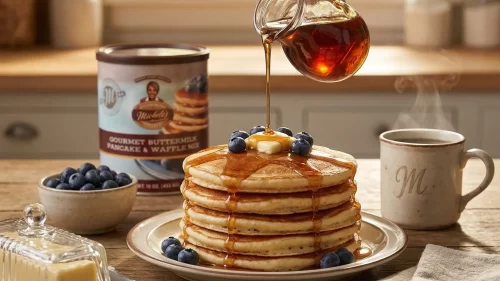
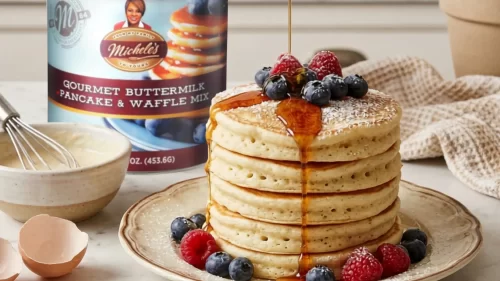
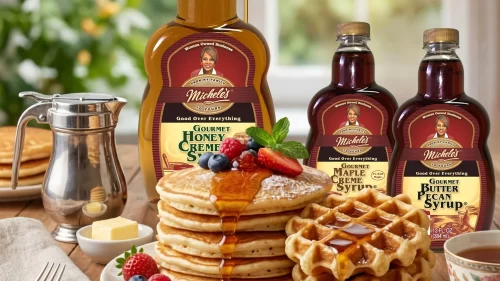
The most familiar pairings remain essential because they are built on sound culinary principles. Pancakes and waffles, with their porous crumb and mild flavor, serve as ideal carriers for syrup. Their structure absorbs syrup evenly, allowing each bite to deliver a balanced combination of base and topping. Michele’s Maple Crème Syrup performs well in this application because its smooth texture settles into the surface without excessive pooling, while its maple profile complements the base without overpowering it. French toast offers a richer foundation due to its custard base. A syrup such as Butter Pecan works effectively here, as its nutty character aligns with the egg and dairy notes, resulting in a cohesive and well-rounded flavor.
Baked goods provide another strong opportunity for syrup pairing, particularly when moisture and flavor reinforcement are considered. Biscuits, scones, and muffins benefit from a finishing element that adds softness and taste. A drizzle of Honey Crème Syrup over a warm biscuit introduces a light sweetness that balances the baked dough without the need for additional spreads. In muffins, especially those that include nuts or fruit, syrup can strengthen the existing flavor profile. Butter Pecan Syrup on a pecan muffin deepens the nut character while adding a smooth finish that contrasts with the crumb structure.
Desserts offer a wider range of possibilities where syrup can influence temperature, texture, and taste in a single application. Ice cream is a clear example. When syrup is added, it creates contrast between the cold base and the flowing, creamy topping. Maple Crème Syrup pairs well with vanilla ice cream because it builds on the neutral base and introduces depth that refined sugar alone cannot provide. Fruit-based desserts such as apple pie or peach cobbler also respond well to syrup. Honey Crème Syrup complements the natural sugars in the fruit while softening acidity and bringing the elements together into a unified flavor.
Savory applications highlight the full capability of syrup as an ingredient. The combination of sweet and salty flavors is widely used in culinary development because it engages multiple taste responses at once. Fried chicken paired with a light drizzle of maple-based syrup creates contrast between crisp texture and smooth sweetness. This pairing has gained popularity because it delivers balance in each bite. Roasted vegetables, particularly carrots and sweet potatoes, respond well to a glaze made with Honey Crème Syrup. The syrup supports caramelization and adds a subtle sheen that enhances both flavor and presentation.
Meat pairings further demonstrate how syrup can be applied with purpose. Pork, known for its mild flavor and fat content, pairs naturally with sweet elements. A glaze made with Butter Pecan Syrup introduces a nutty sweetness that complements roasted or grilled cuts without masking their original flavor. Breakfast meats such as bacon and sausage also benefit from syrup pairings. The saltiness of the meat is offset by the syrup’s sweetness, resulting in a balanced and satisfying combination. This interaction between fat and sugar contributes to a richer overall flavor profile.
Syrup also plays a role in beverage applications, particularly in drinks that require both sweetness and body. In coffee, a crème-based syrup blends smoothly with milk, preventing separation that can occur with thinner sweeteners. Honey Crème Syrup works well in lattes by adding a rounded sweetness with a mild floral note that supports the coffee rather than overpowering it. Milkshakes also benefit from this type of syrup, as Butter Pecan contributes both flavor and texture, creating a more cohesive final product.
Texture remains central to successful syrup pairings. Foods with a dry or structured composition, such as pancakes, biscuits, and certain baked goods, benefit from the added moisture and cohesion that syrup provides. Softer foods such as yogurt or oatmeal also gain value from syrup when it is used as a flavor enhancer. Maple Crème Syrup stirred into oatmeal distributes evenly, providing consistent sweetness and a smoother texture throughout the dish. This approach shows how syrup can be integrated into a product rather than applied only as a topping.
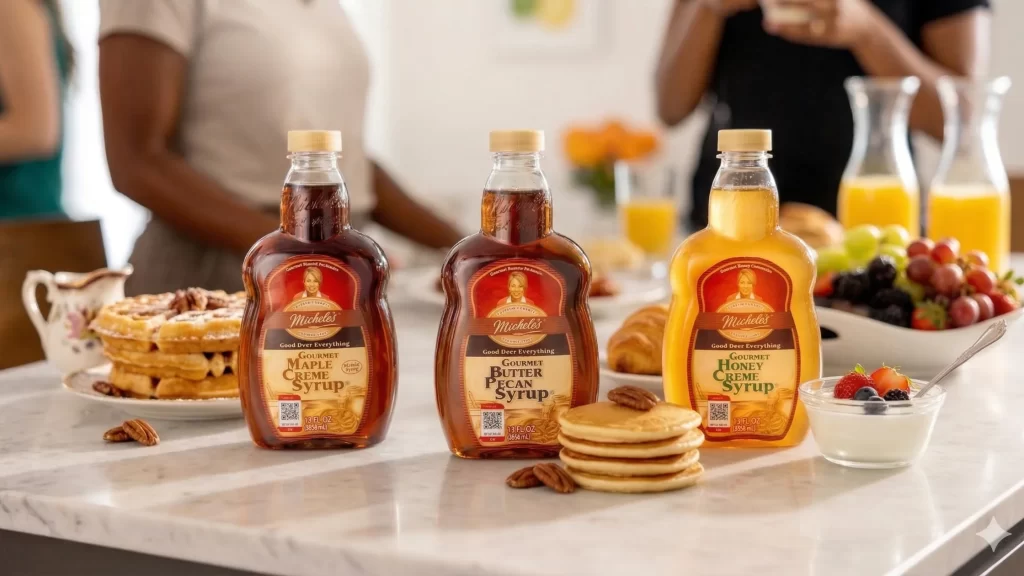
The best syrup food pairings are those that maintain balance between the base ingredient and the syrup itself. Each component should contribute to the overall flavor without dominating it. Michele’s syrups, with their creamy texture and carefully developed profiles, support a wide range of applications that extend beyond traditional breakfast use. This level of versatility is important for specialty food enthusiasts and buyers who seek products that perform consistently across different culinary settings.
For those looking to apply these pairings in their own kitchens or product offerings, Michele’s Food offers a range of syrups developed with consistency, heritage, and flavor in mind. From Honey Crème to Butter Pecan and Maple Crème, each option is designed to work across multiple applications, helping create balanced dishes with dependable results. Explore the full selection and bring these pairings into your routine with confidence.