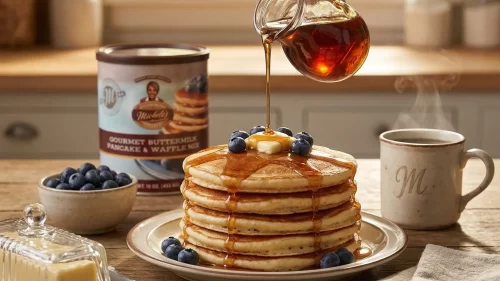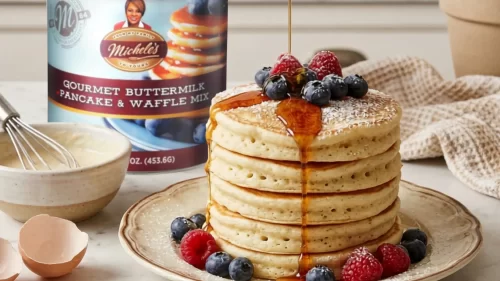

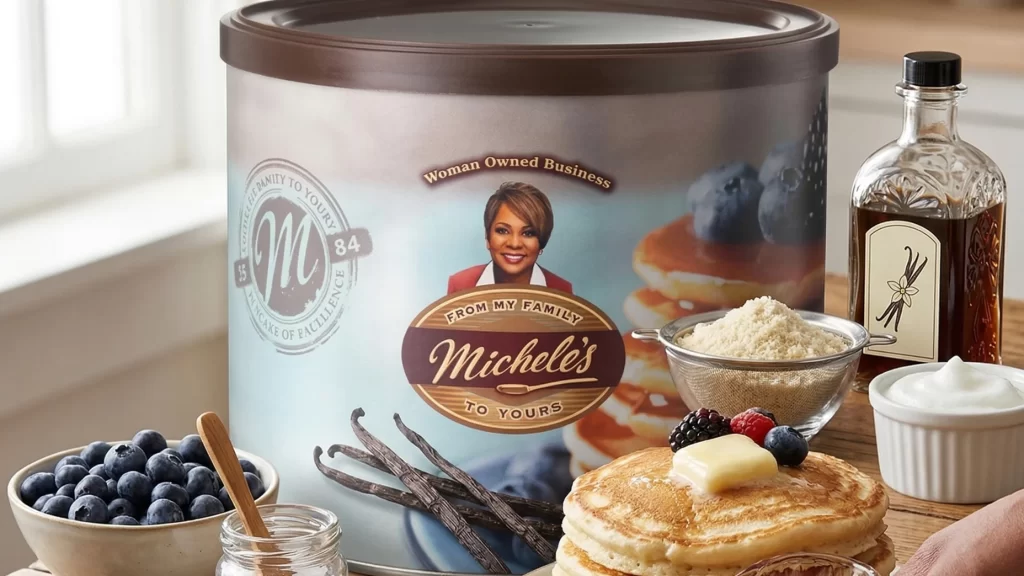
A good pancake mix provides a reliable starting point, but small, thoughtful additions can take the results much further. By adjusting a few key ingredients, you can improve both flavor and texture, turning standard pancakes into something lighter, richer, and more satisfying. Understanding how these additions affect the batter makes it easier to achieve consistent, better results every time.
One of the most effective upgrades starts with the liquid. Replacing water with milk introduces fat and protein, which contribute to a softer crumb and fuller flavor. Buttermilk takes this a step further because its natural acidity reacts with baking powder to create a stronger leavening effect. This produces a higher rise and a more open, airy interior. The reaction is predictable and widely used in commercial baking, making it a reliable way to improve fluffiness without altering the base mix too drastically. Yogurt thinned with milk can achieve a similar result while adding a slight tang that supports overall flavor balance.
Eggs offer another level of control. Adding a fresh egg to pancake mix improves binding and structure while contributing richness from the yolk. For those aiming to increase volume, separating the egg and whipping the white before folding it into the batter introduces additional air. This technique increases lift during cooking and results in a lighter texture. It reflects methods used in professional kitchens to produce delicate baked goods.
Fat plays a direct role in tenderness and flavor delivery. Incorporating melted butter into the batter coats the flour and limits gluten formation, which helps keep pancakes soft instead of chewy. Butter also carries flavor compounds that enhance aroma and taste. For a deeper profile, browned butter can be used to introduce subtle nutty notes. Neutral oils can achieve a similar textural benefit, although they do not contribute the same level of flavor complexity.
Sweetness can be adjusted to build a more layered taste. Many pancake mixes include sugar, but adding a small amount of brown sugar or honey introduces additional depth through molasses or floral notes. These sugars also improve browning, giving pancakes a more appealing surface color and slight crispness at the edges. A controlled amount of syrup added directly into the batter can reinforce flavor without overwhelming it, especially when the goal is to create consistency between the pancake and its topping.
Flavor development can be expanded through targeted additions. Vanilla extract enhances sweetness perception and rounds out the overall profile. Spices such as cinnamon or nutmeg introduce warmth and complexity without overpowering the base. Citrus zest can add brightness, cutting through richness and making the final product feel more balanced. These elements allow for variation while maintaining a cohesive flavor structure, which is important in both small-batch and scaled production.
Leavening is already built into most mixes, but its effectiveness can decline over time. A modest addition of baking powder can restore lift, particularly in older mixes. Pairing this with an acidic ingredient such as buttermilk ensures a balanced reaction that produces a stable rise. Careful measurement is important because excessive leavening can lead to an uneven structure and an off taste. Precision in this step reflects the same discipline applied in commercial product formulation.
Texture can be further improved with mix-ins that contribute both flavor and contrast. Fresh fruits add moisture and natural sweetness, while nuts provide crunch and a slightly savory note. These inclusions should be folded in gently to avoid overworking the batter. Even distribution ensures consistent results across each pancake, which supports overall product quality.
Handling the batter correctly is just as important as the ingredients themselves. Overmixing develops gluten, which leads to dense pancakes. A lightly mixed batter with visible lumps indicates minimal gluten formation and supports a softer texture. Allowing the batter to rest briefly before cooking gives the flour time to hydrate and the leavening agents time to activate, resulting in a more even rise.
Cooking technique completes the process. A properly heated surface ensures that pancakes cook evenly and develop a uniform structure. Medium heat allows the interior to set without burning the exterior. Flipping at the right moment helps preserve the air pockets created during mixing and prevents collapse. These steps may seem routine, but they directly affect the final texture.
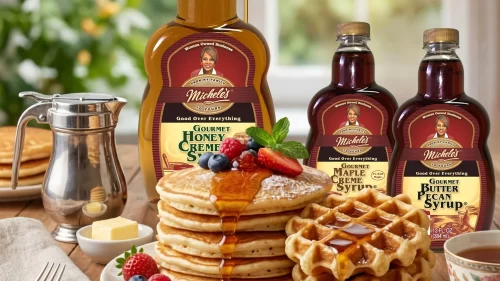
The finishing element brings all these adjustments together. A well-made pancake benefits from a topping that complements its enhanced flavor and texture. Michele’s Food syrups, developed from a four-generation family recipe, are known for their rich, creamy consistency and balanced sweetness. Varieties such as Honey Crème, Butter Pecan, and Maple Crème integrate smoothly with the pancake’s flavor profile, reinforcing the improvements made in the batter while adding their own distinct character.
Refining pancake mix comes down to control and intention. Each addition serves a purpose, from improving lift and tenderness to building a more complex flavor. These adjustments are grounded in established food science and practical application, making them accessible while still delivering results that meet higher standards. For specialty food enthusiasts, this process reflects the same principles used in product development, including consistency, quality, and thoughtful ingredient selection.
For those looking to bring these enhancements into their own kitchens or product offerings, choosing the right finishing ingredient matters. Michele’s Food offers syrups that complement carefully prepared pancakes with consistent flavor and texture. With products available in thousands of stores nationwide, it is easy to find a variety that fits your preferred profile and completes a well-crafted breakfast experience.